
とは?-プロがわかりやすく徹底解説のコピー-1.jpg)
The Art of the Dial Watch Materials, Finishes, and Pros & Cons
Introduction
What is the first thing you notice when selecting a timepiece?
Is it the brand logo?
Or is it the shape of the case?
In reality, the element that defines a watch’s character is the dial.
It corresponds to the “face” of a person. Even within the industry, discussions often revolve around “the design of the face.”
Today, we will explore the deep and varied world of dial materials and finishes.
Understanding the advantages and disadvantages of each style may lead you to discover your perfect timepiece.
1. Mastering Light and Shadow: Standard “Finishing” Techniques
First, let us examine the processing techniques applied to the base metal (often brass).
Sunray Finish (Sunburst)
This finish features fine lines radiating from the center. When light hits it, the shimmer changes depending on the angle, much like sunlight (Sunray).
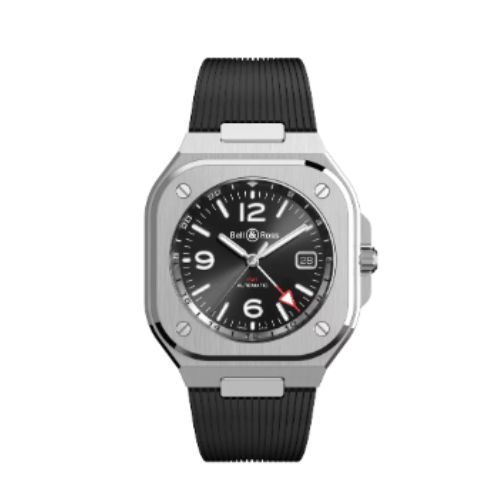
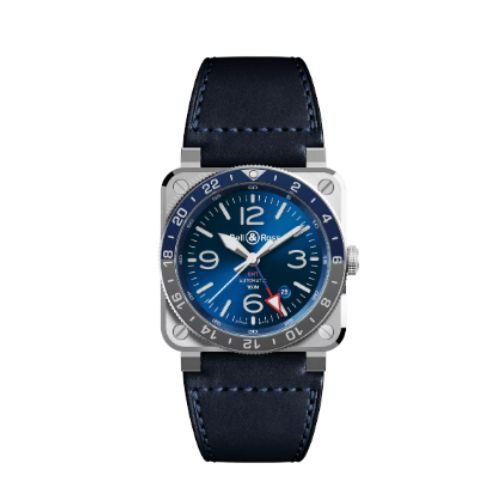
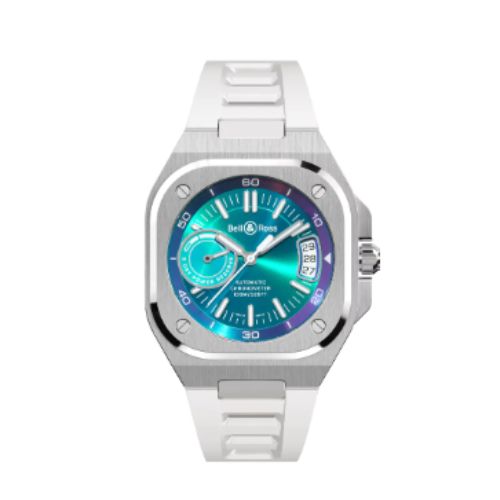
| Pros | Cons |
|---|---|
| Creates a Luxurious Feel The dial shines radially due to light reflection. It makes the wrist look glamorous and can be expressed in various metallic colors. | Visibility May Be Compromised Using hour markers or numbers in the same color tone as the dial can affect legibility due to the strong reflection. |
Guilloché (Engine Turned)
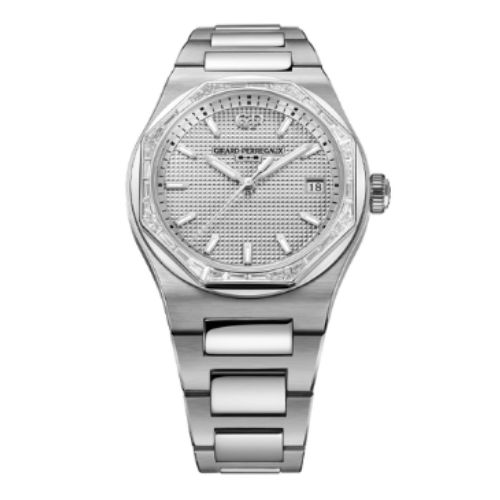
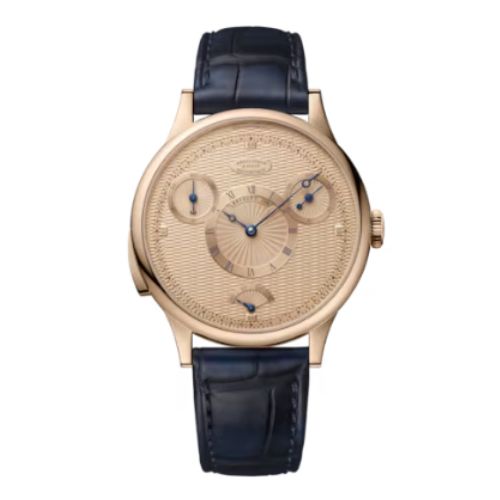
A traditional technique that involves engraving regular geometric patterns. Patterns such as “Clous de Paris” (Hobnail) are famous.
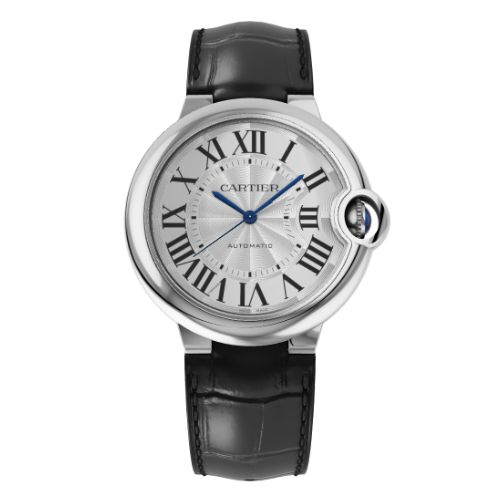
| Pros | Cons |
|---|---|
| Overwhelming Craftsmanship This technique has been used for ages, giving the watch a calm, intellectual impression. Originally, it was not just for decoration but a functional design to suppress light reflection and ensure visibility. The textured surface gives the face (dial) a rich expression. | High Cost While stamping (press processing) is common, genuine hand-guilloché is extremely expensive. With stamped patterns, the peaks of the texture can sometimes droop or look rounded, failing to create a crisp pattern, so design selection is crucial. |
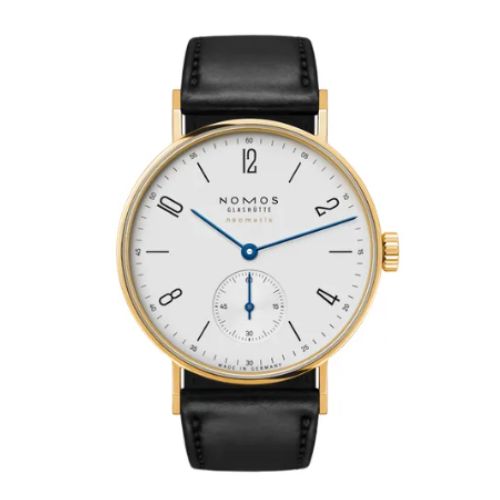
Painted / Matte Finish (Grained / Sandblast)
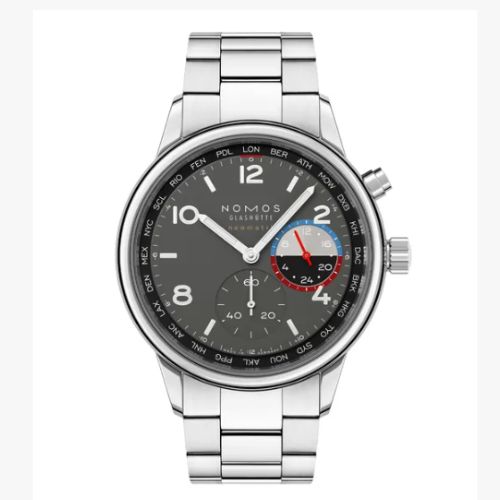
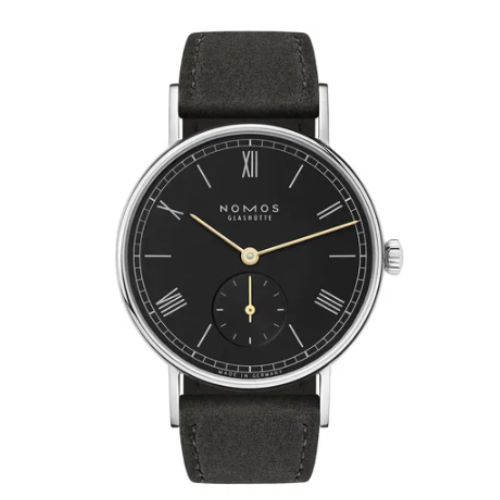
The most common dial finishing method. It involves either polishing a sprayed surface or roughening the surface to remove shine. It is often used in military and divers’ watches.
| Pros | Cons |
|---|---|
| Superior Legibility Matte finishes do not reflect light, making the time readable in any environment. Also, by making the hour markers and hands decorative, you can create a sharp contrast on the face (dial). | Lacks Decorative Flair Since it does not sparkle or shine, it may be unsuitable for glamorous scenes or dressy occasions. |
Eternal Shine! Artistic “Material” Types
These are types that utilize the characteristics of the material itself, rather than painting or surface processing.
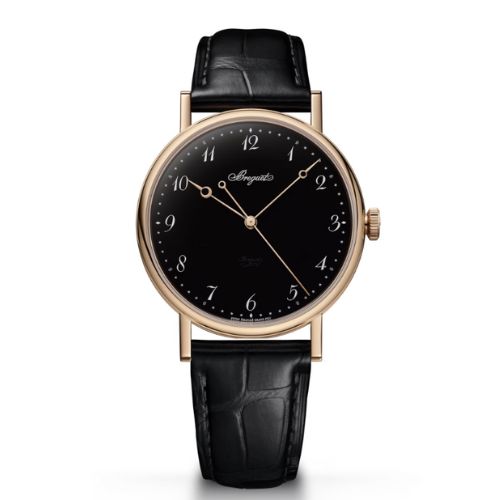
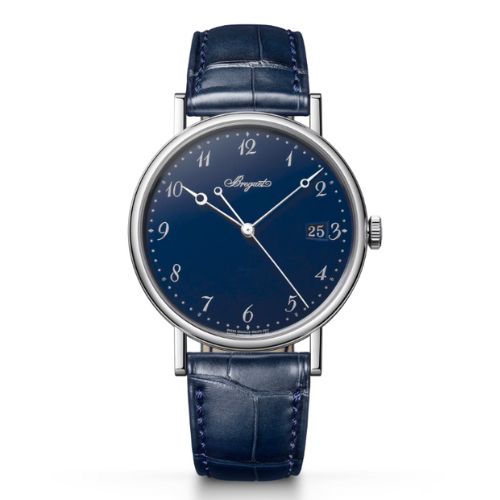
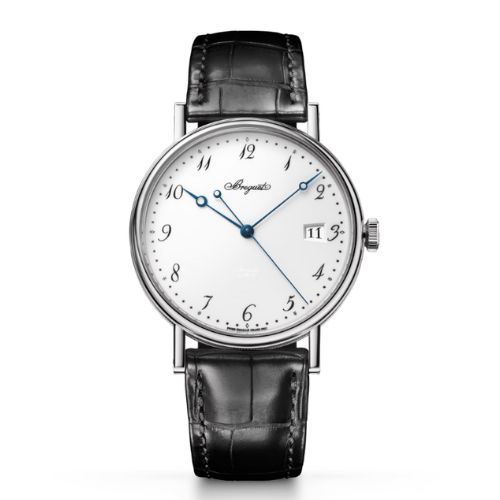
Enamel
A vitreous glaze is applied to a metal plate and fired at high temperatures. It possesses a unique, ceramic-like gloss.
| Pros | Cons |
|---|---|
| Semi-permanent Color Retention It maintains its beautiful gloss and color even after 100 years. It expresses a thick transparency and depth that standard paint cannot achieve. | Fragile / Prone to Shock Since it is vitreous (glass-like), there is a risk of cracking under strong impact. Also, cracks often occur during the firing process, leading to low yields (poor production rates), which tends to make the final product expensive. |
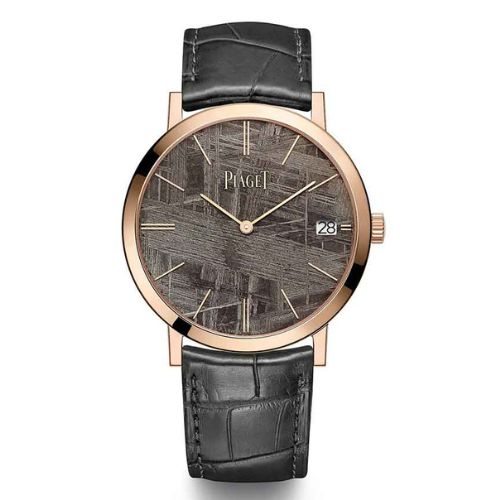
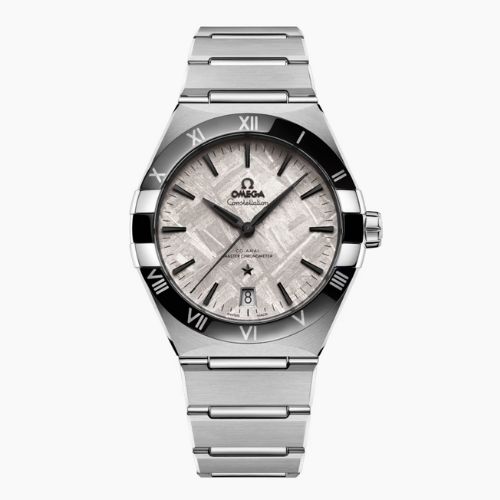
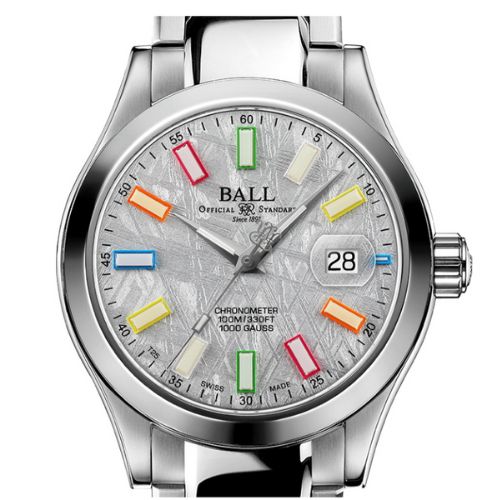
Meteorite
Slices of “meteorite” that have flown from space are used as dials. Unique geometric patterns (Widmanstätten patterns) appear on the surface.
| Pros | Cons |
|---|---|
| One-of-a-Kind Patterns The meteorite is sliced thinly to create the dial. Since the pattern is natural, no two dials in the world are exactly alike. | Prone to Oxidation / High Cost Because it contains iron, it can rust if the protective coating degrades. Additionally, the material itself is very expensive, increasing the overall price of the watch. |
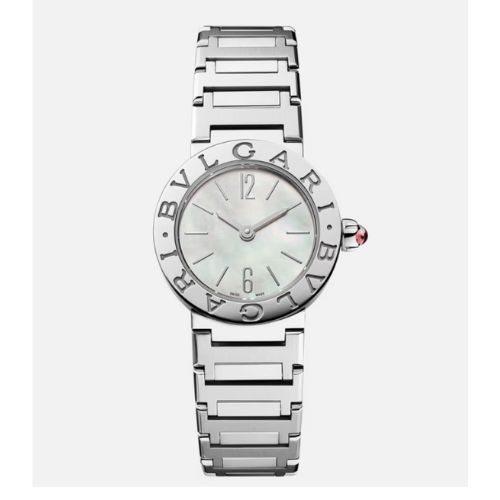
Mother of Pearl (MOP)
A material made by thinly shaving the inner shell of pearl oysters. It has a mysterious, rainbow-colored beauty.
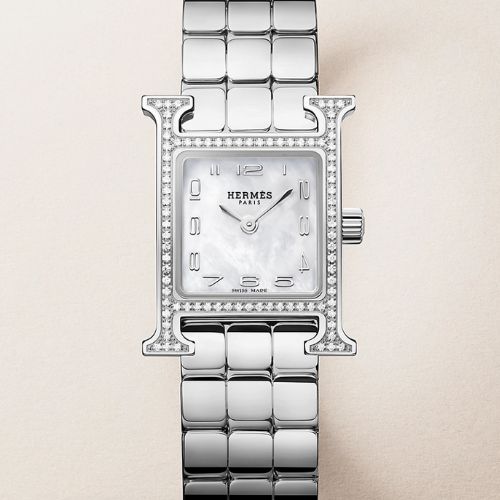
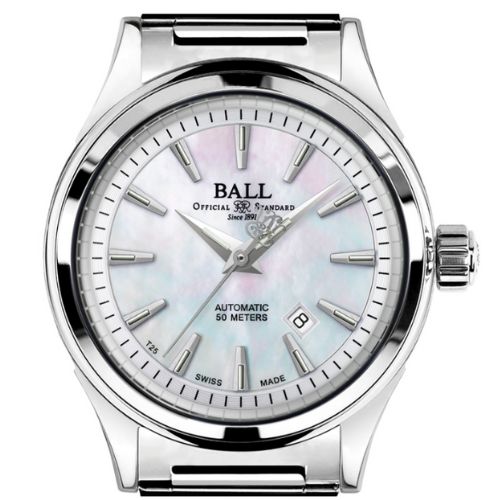
| Pros | Cons |
|---|---|
| Unique Iridescence As a natural material, there are individual differences, and the color changes to pink or green depending on the viewing angle. | Fragile The shell is shaved very thin, making it weak against shock. It requires delicate handling during maintenance. |
Summary: Choose Your Dial Based on “Lifestyle”
How was it?
Knowing the types of dials is also about knowing the history and function of watches.
- For daily, rugged use ➡️ “Matte” for visibility or the classic “Sunray”
- To keep for a lifetime ➡️ “Enamel” that never fades
- For unique individuality ➡️ “Meteorite” or “Guilloché”
Next time you visit a watch shop, try borrowing a loupe and looking closely at the expression of the dial.
You are sure to make new discoveries!
Inquiries Regarding Watches
Create Your Company’s Original Watch with an Exquisite “Dial”?
As introduced in this article, the choice of dial material and finish is a crucial element that determines the value of a watch.
We are an OEM manufacturer capable of producing a wide variety of dials, from luxurious “Guilloché” and natural “Mother of Pearl” to trendy “Color Dials.”
We welcome consultations from the planning stage, such as “Please propose materials that match our brand image” or “Is a Sunray finish possible within this budget?”
With our abundant manufacturing track record, we are here to help shape your image into reality.